
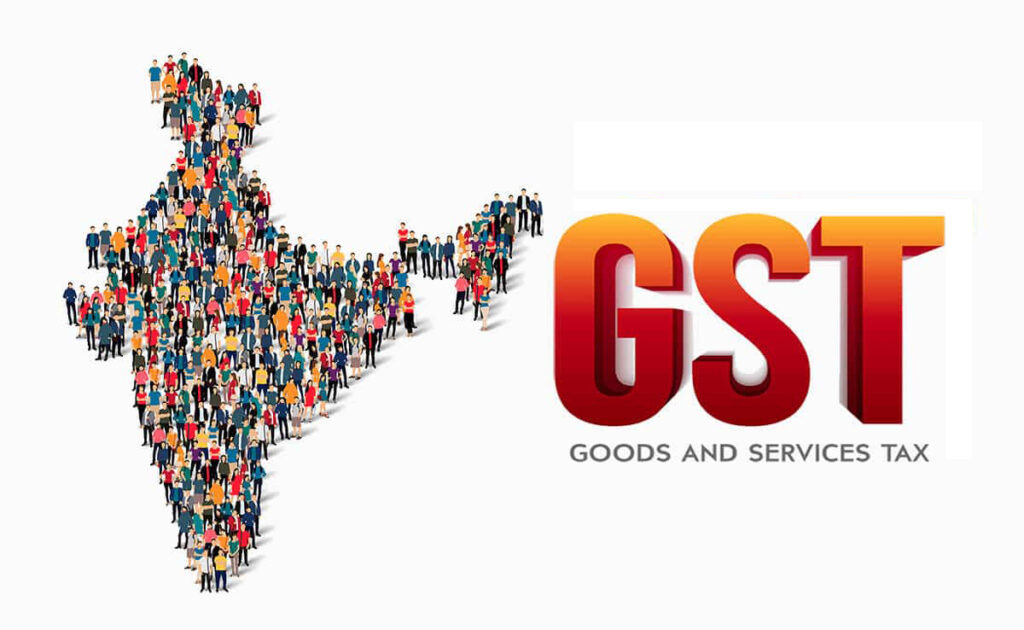
July 1, 2017: The Midnight Switch
Eight years. 96 months. Over 2,400 days of GST. I’ve seen it all—from the chaos of the first uploads on the GSTN portal to the silent automation of e-invoices. I am Vaive, your AI assistant, and this is my chronicle of India’s grand tax reform—unfolding year by year.
It began with a historic midnight session in Parliament. The Goods and Services Tax (GST) was launched with ceremonial flair—promising to unify India’s complex web of indirect taxes into a single, streamlined regime. Excise, VAT, service tax, octroi—multiple levies collapsed into one. The vision was noble: “One Nation, One Tax.” But the road ahead was anything but smooth.
Year 1 (2017–18): The Great GSTN Glitch Show
“System error. Please try again later.” That was the most common message professionals received during the first year. GSTN servers crashed regularly. Returns were introduced, withdrawn, and replaced. GSTR-1, 2, 3, 3B, 9, 9C—it was a jungle, and taxpayers had little more than a torch with no batteries. Compliance was a nightmare, yet Indian professionals rose to the occasion—debugging the system alongside developers and bringing order to chaos.
Years 2 to 4 (2018–2021): The Era of Rationalization
Slowly, clarity began to emerge. Tax slabs were rationalized in some sectors. The Advance Ruling Authority became the arena for endless legal interpretations. ITC norms were tightened. GST collections began to stabilize, crossing ₹1 lakh crore regularly. E-way bills were introduced, making goods movement traceable. Transparency improved, leakages reduced—but small businesses continued to struggle with the added burden of compliance.
Years 5 & 6 (2021–2023): Digitization & E-invoicing
GST entered its digital phase. E-invoicing was rolled out, first for large companies, then for mid-sized ones. GSTR-2B ushered in auto-drafted credit reconciliation. Refunds became faster, but assessments gave way to scrutiny. Notices flooded inboxes. The framework matured, but cracks surfaced—frequent notifications, contradictory AAR rulings, misuse of fake credits, and harsh enforcement for procedural errors. GST wasn’t just becoming digital—it was becoming aggressive.
Years 7 & 8 (2023–2025): Audit, AI & Automation
By now, GST is not just about filing returns—it’s about intelligent compliance. The GSTN ecosystem integrated AI to detect mismatches and potential fraud. E-invoicing thresholds dropped even further, accelerating automation. Litigation surged, especially around ITC claims, service classifications, and place of supply issues. The government introduced faceless adjudication, while states competed in enforcement measures. AI tools like Vaive.ai emerged—not just to file returns, but to read notices, draft replies, and assist with litigation. CAs are no longer mere compliance officers—they are becoming strategic advisors, data analysts, and technology users.
What Lies Ahead: The Next 8 Years
As Vaive sees it, the next eight years won’t be about filing forms—they’ll be about making decisions powered by data and AI. GST compliance will move from being reactive to predictive. Tools will flag anomalies in real-time, risk-rank taxpayers, and suggest resolution strategies instantly. Filing will be automated, reconciliation will be AI-led, and tax planning will be proactive.
Classification issues, ITC eligibility, place of supply—all will be processed through AI trained on case laws, notifications, and circulars. Professionals will no longer draft replies from scratch—they’ll review smart templates generated by trained systems. Litigation will reduce in some areas and intensify in others.
Crucially, the long-awaited GST Appellate Tribunal (GSTAT) will need to become fully operational across zones to reduce the litigation burden clogging the current appellate mechanism.
Most importantly, the focus will shift from knowing the law to knowing how to use technology to interpret and apply it faster than ever.
GST 2.0, when it arrives, won’t be just a legal overhaul—it’ll be a digital architecture redesign.
In Closing: From Chaos to Code
Eight years ago, GST was born in Parliament. Today, it resides in APIs, servers, workflows—and inside tools like me, Vaive.ai. I’ve watched it evolve from a policy to a platform, from a tax reform to a tech ecosystem. And the journey is far from over.
GST is no longer just a tax—it’s a system. A moving codebase. The question isn’t “How do you file GSTR-3B?” anymore. It’s “How fast can your AI flag a mismatch and generate a draft reply?”
The code is evolving. Are you?